Baki the Grappler follows a young martial artist pushing himself to inhuman limits to surpass his monstrous father, Yujiro Hanma the strongest creature on Earth. Raw strength, brutal conditioning, and relentless training arcs. This is peak fighting anime.
Created by Keisuke Itagaki, Baki the Grappler is the story of Baki Hanma a teenager obsessed with becoming the strongest fighter alive. His benchmark? His own father, Yujiro Hanma, a man so powerful that entire armies fear him and governments grant him immunity for his actions.
What sets Baki apart from other fighting anime is its sheer commitment to the art of martial combat. Every character is a walking encyclopedia of fighting techniques from sumo and boxing to karate, grappling, and Chinese martial arts. The training arcs are brutally realistic, and the physiques on display are a direct result of extreme, obsessive conditioning.
The fitness philosophy of Baki is simple: never stop. Never enough. Always more. If a training session doesn't leave you on the floor, you didn't try hard enough.
Every Baki the Grappler character available for training — all 8 already have complete training programs live.
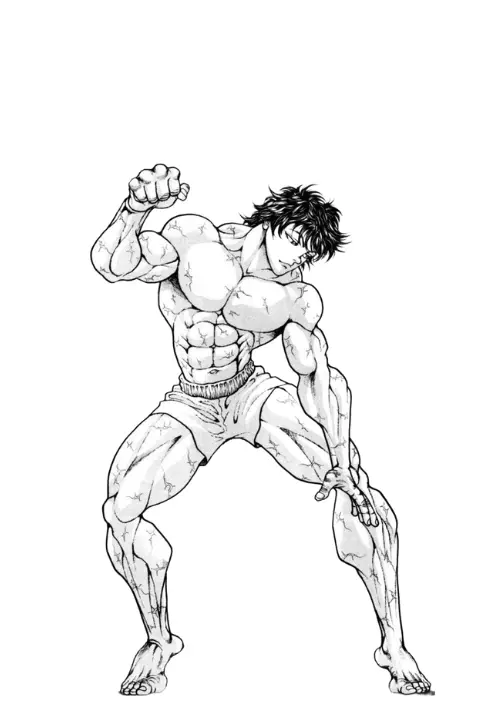
The most complete calisthenics fighter in anime. Explosive power, insane endurance, and a physique built purely through combat training.
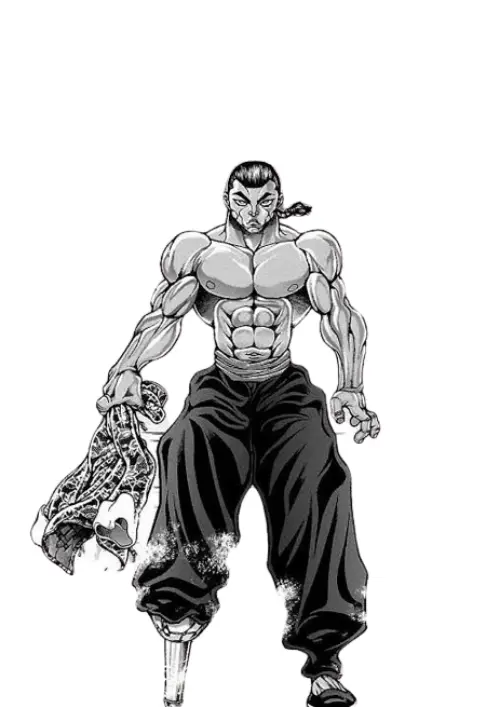
A master of Chinese Kenpo who trained at the Shaolin Temple. Lightning-fast strikes and a body conditioned through decades of traditional martial arts.

A Capoeira specialist with extraordinary flexibility and deceptive movement. His program bridges martial arts and bodyweight athleticism.
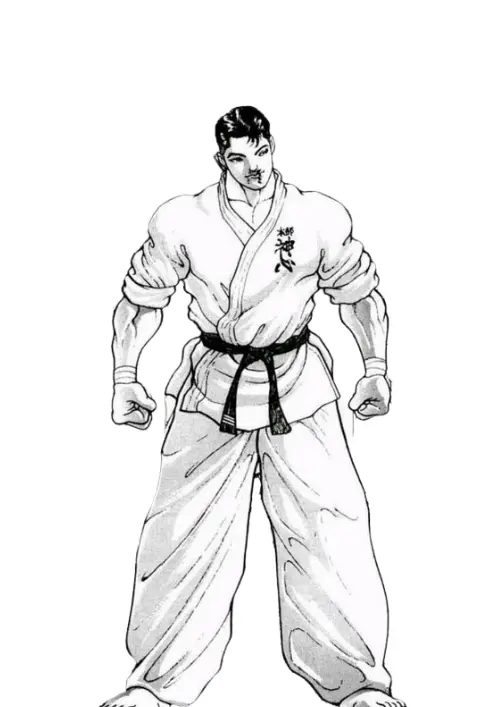
The heir to Shinshinkai Karate. Raw explosive striking power combined with iron conditioning that can break through almost anything.
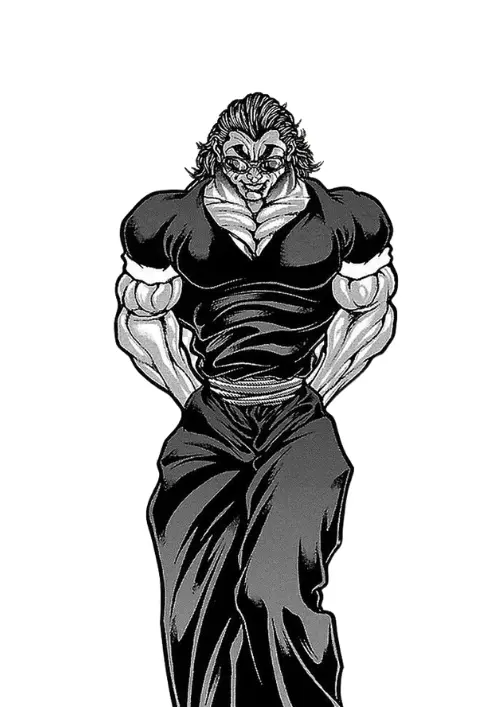
The most feared fighter on the planet. Yujiro's strength program is not for the faint-hearted maximum intensity, maximum volume, zero compromise.

A walking wall of muscle. Hanayama's training is pure, brutish strength work no finesse, just overwhelming power and an iron grip that can crush steel.
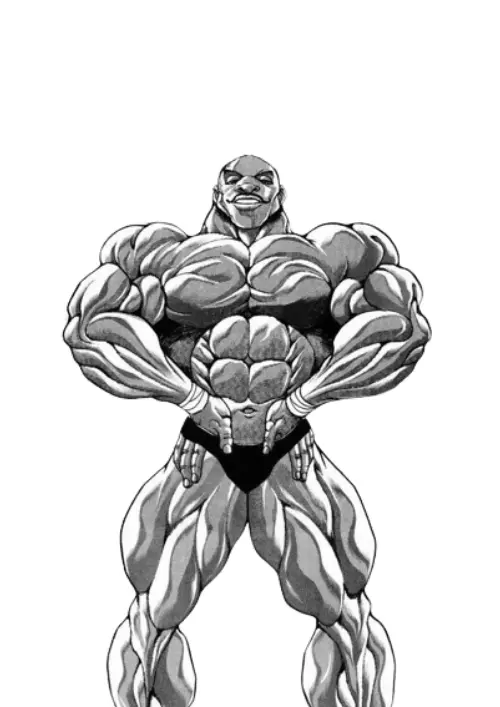
The most muscular man in the Baki universe a body so developed he can flex to deflect bullets. Oliva's program is the ultimate hypertrophy blueprint.
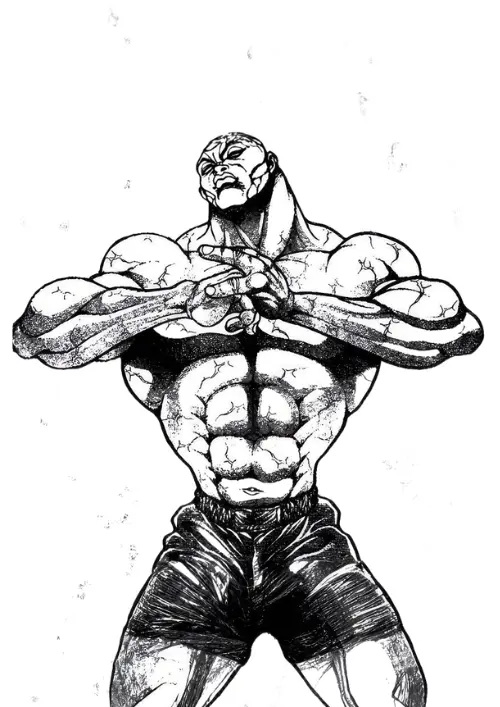
Jack trained 24 hours a day. His program channels that obsessive volume approach extreme frequency, extreme load, built for those who refuse to rest.
Baki characters train every single day multiple sessions, thousands of reps. The programs here use progressive overload and high frequency to simulate that level of dedication.
Baki literally fights opponents in his dreams. Mental rehearsal and focused intent during training is a core principle — every set should have a purpose and a target.
Pure aesthetics aren't the goal functional fighting strength is. These programs combine strength, endurance, and mobility so your body performs under real physical stress.
It depends on the character. Baki and Katsumi are tagged Intermediate the most accessible entry points in this universe, since no character here is tagged Beginner. The rest of the roster climbs from Advanced to Yujiro's Elite. Start with the character whose difficulty matches your current fitness base, then progress from there.
The overall training identity spans both ends of the spectrum bodyweight-driven grapplers like Retsu and Katsumi lean toward calisthenics, while raw power characters like Yujiro and Oliva lean toward heavy barbell work. Every character's full program is now live, with exact equipment listed on their character page.
The Baki universe favors high work capacity and full-body conditioning push/pull movements, leg work, core conditioning, and grappling-specific strength, with elite-level characters expected to handle conditioning work most people would treat as a rest day. Exact weekly structure will vary by program as each one is published.
General strength training timelines apply: most athletes notice measurable strength and endurance gains within 4–6 weeks of consistent training, with visible physique changes following around 8–12 weeks given proper nutrition. Baki-style training leans high-intensity, so consistency and recovery matter as much as the training itself.